Thirty years of Army aviation, zero drone hours — until this morning. The first flight log, nerves and all.
The Day Has Come
Thirty years of Army aviation — briefing crews, checking aircraft, living by checklists — and yet my hands were sweating over a 724-gram drone. The morning was textbook Puerto Rico: light trade winds, sun climbing over the coast, and that electric mix of nerves and excitement that only a first flight brings.
I wasn't alone. A veteran drone pilot from the community stood beside me as my instructor — because even an old chief knows when to take instruction.
The Pre-Flight Ritual
Full checklist run — the same printable one on this site, because discipline is discipline
Batteries, props, compass, firmware, RTH altitude — checked twice
Open field, calm morning, nobody around: the right classroom
The Flight
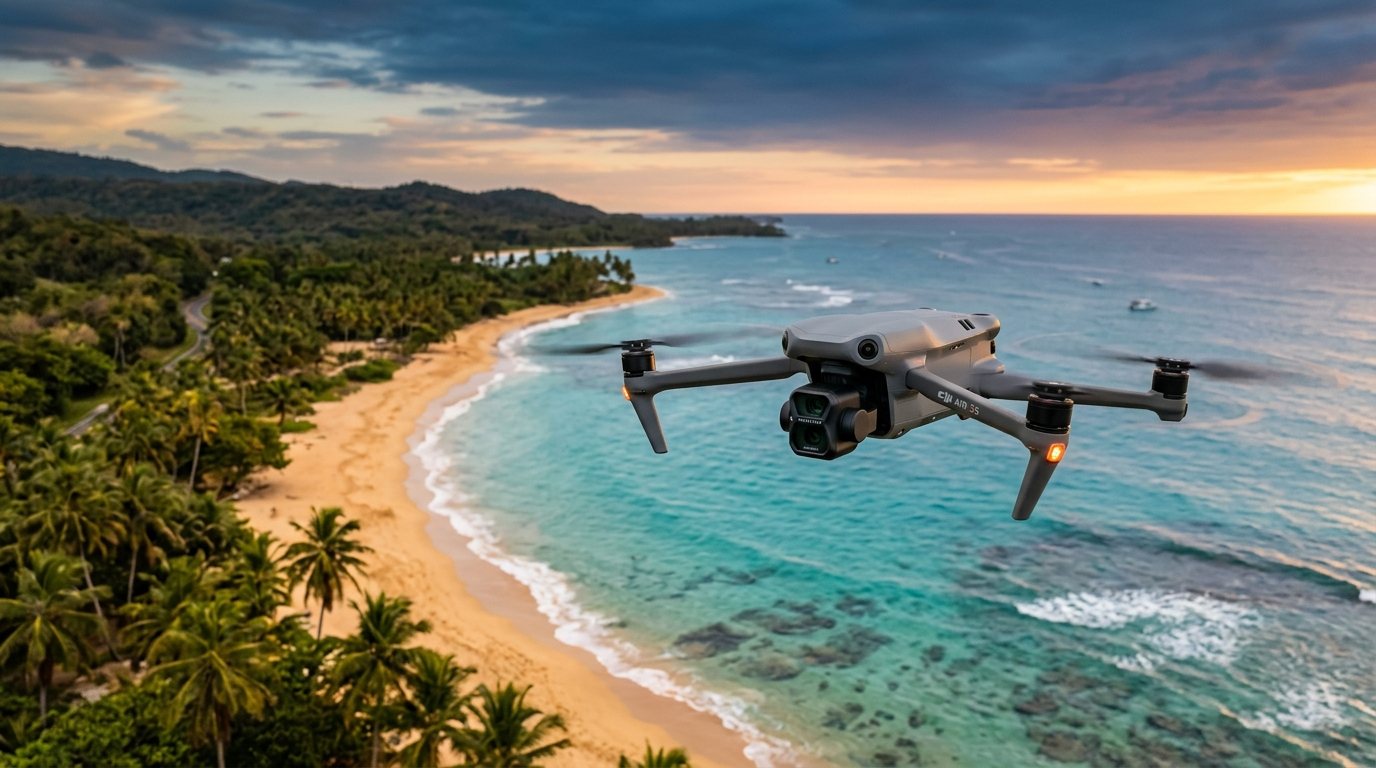
The props spun up, the Air 3S lifted — and hovered like it was parked on a table. All those hours reading about gimbals and stick feel, and the machine simply said: relax, I've got this.
Then I looked at the screen. The coastline from 100 feet up — our island, from a seat I'd never sat in before. That view is worth every page of the manual.
What I Learned
The drone is steadier than your nerves. Trust the machine, manage yourself
Slow sticks. Every correction you rush shows in the footage
Fly with a mentor your first time — an experienced voice kills the panic
Landing is just flying, slower. Brief it, then do it
What's Next
Smooth orbits and the golden-hour coastline are next on the training plan. And your turn: log your first flight in the flight-line gallery — spot, conditions, and a photo if you got one. The flight line is open.
The Rookie Series
This flight is Part 2 of my rookie journey — watch the full series on YouTube →